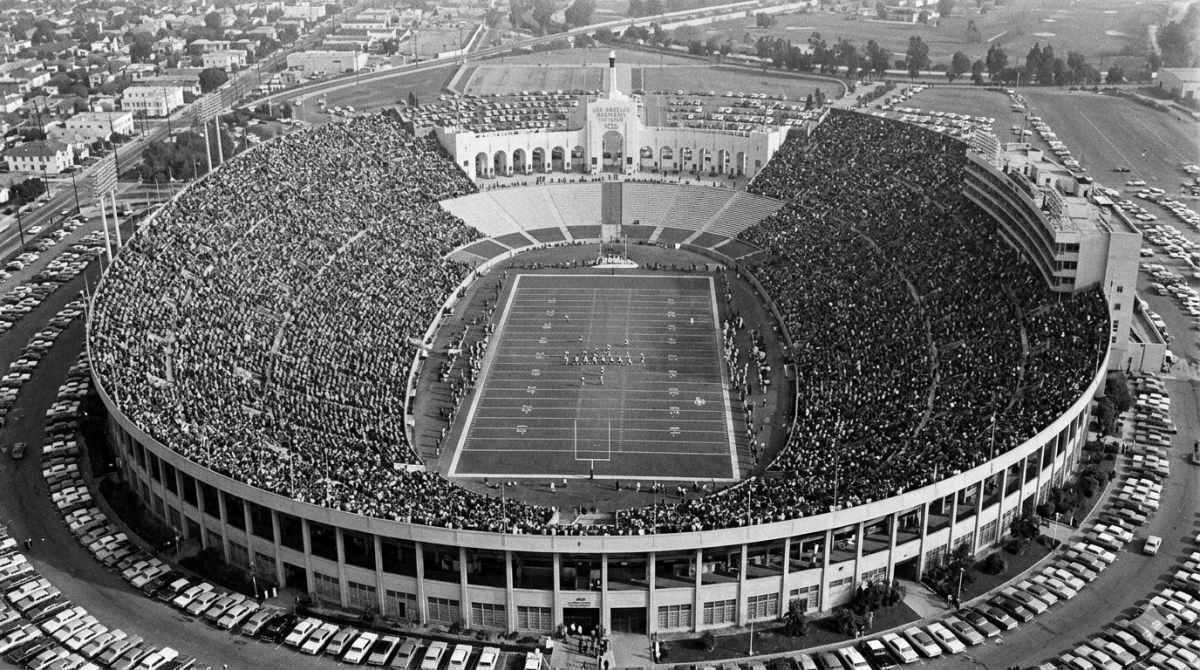

For the first half of the 19th century and through the mid 1960s, the Steel Industry was the biggest corporation in the world. US Steel causes cities involved with the industry to flourish. In the early 20th century, Henry Ford invented the assembly line, and the automobile industry exploded. Throughout the first half of the decade, these two industries dominated the US economy. However, the steel and auto industries started to collapse in the late 70s, and cities, particularly in the Midwest and around the Great Lakes, faced economic hardship. These cities still experience the lasting impact of the collapse of these two industries to this day.
Pittsburgh
Pittsburgh was nicknamed the Steel City for the amount of steel produced. Though the steel industry started with Andrew Carnegie in the official company, US Steel was created in 1901 following JP Morgan and Charles Schwab merging all of the steel companies. With the creation of US Steel. Pittsburgh and the steel industry flourished, though it came with a cost. The number of factories caused lots of greenhouse gas emissions and made the air dangerous to breathe. The amount of “smog” caused the streets of Pittsburgh to appear to be nighttime.

The industry reached its peak in the 1950s and 1960s before experiencing a decline. The Oil Embargo of 1973 caused steel to become less in demand. By the late 70s, factories were closing at a rapid rate. When the early 80s came around, around 95,000 to 150,000 jobs were lost. Because there was no work, people left. In 1950, Pittsburgh had over 670,000 residents. In 2025, the population was around 310,000, having lost over half of its population. However, Pittsburgh has recovered better than other cities in the Rust Belt. The industry now consists mainly of technology and healthcare.
St Louis
St Louis had one of the worst declines in the belt, but it’s not talked about as much as it should. St Louis was not involved with steel, but in manufacturing, meat packing, and brewing, most famously Anheuser-Busch. In 1950, St Louis was one of the most populous cities in America. Over 850,000 residents resided there. The decline started in the early 70s. In the 70s and even into the early 2000s, rapid suburbanization occurred, and many families left the cities for towns outside of the city. Tagged along with many corporations closing, such as McDonnell Aircraft, St Louis has declined astronomically. Downtown is very empty, with the major corporation closures and others leaving the city. Much of downtown has empty office buildings, with nearly 24,000 abandoned buildings in the city. St Louis has lost over 60% of its residents since 1950, making it one of the worst cases of population decline in American history. The current population stands at around 280,000, and recent data shows St Louis is still losing much of its population at a rapid rate.
All of these factors caused mass poverty as people lost jobs and fell into hardship. This caused a major spike in crime, mostly in certain areas of downtown and the area to the North. East St Louis, a city of its own, also has some of the highest crime rates in the nation. The city itself has around 20% poverty rate, much higher than the national average. Unlike Pittsburgh, St Louis is still severely declining and has never really recovered from its sharp decline.
Cleveland
Cleveland is nicknamed “The Mistake by the Lake” for a reason. But that was not always the case. Like Pittsburgh, Cleveland was a major center for steel production and the Auto industry. With its location on Lake Erie, Cleveland’s port facilitated imports and exports by sea. However, all this caused pollution in the air and also in the lake. Like St Louis and Pittsburgh, the 1970s and 1980s were the hardships for Cleveland, experiencing massive deindustrialization and suburbanization. In 1950, Cleveland had a population of around 915,000. In 2025, the population hovered around 360,000. With the loss of industry came severe poverty. The poverty rate in Cleveland is over 28%, among the highest in the nation. Crime rates are also among the highest in the nation, with areas on the east side among the worst.
Though Cleveland is still experiencing hardships, the city is attempting to clean up. The Cuyahoga River and Lake Erie have been cleaned up dramatically since the 70s, along with the gentrification of some neighborhoods. Though the city has a long way to go, Cleveland is slowly making progress.
Detroit
Perhaps the most famous collapse, Detroit was the center of the Automobile industry. Known for its Big 3 (GM, Ford, and Chrysler), Detroit was a very wealthy city and flourished in economic growth. In 1950, 1.8 million people resided in the city that had access to two great lakes, and was considered the best city in the US. However, due to a mix of economic hardships and foreign competition, Detroit steadily declined throughout the 70s and 80s. As people left for the suburbs, they took the factories and workers with them. In the suburbs, costs were cheaper. The auto industry did not fall as quickly as the steel industry, but its slower decline came to a huge crash later on.
Before 2008, workers in GM and Chrysler were paid around 60-70 dollars an hour, but the big hitter was the retirement costs. This drained the two companies financially, and when the 2008 recession hit, the crash hit GM and Chrysler hard. In 2009, both companies filed for bankruptcy. Though they were bailed out by the government, this showed what Detroit and the industry that the city was known for had turned into. Even before this crash, jobs were being cut throughout the industry, and after the crash, workers were paid significantly less than before. Detroit lost nearly half of its automotive jobs between 1958 and 1982. Throughout the 90s and 2000s, Detroit turned from a economic boom city to a trashy, poorly run city. Crime skyrocketed. As well as poverty rates. The 34% poverty rate is among the highest in the nation, and many areas look like a warzone, similar to areas of St Louis and Cleveland. The city that was once home to nearly 2 million is now at less than 650,000. Detroit is also trying to stage a comeback as of recent by gentrifying neighborhoods, and it has worked to some extent, as homicides were at their lowest level since the early 60s this past year. But the city has a long way to go.
Gary
Once coined the murder capital of the US, what happened to Gary is what happened to all of these cities mentioned before. But Gary is unique in its own way. Gary was originally nicknamed “The Magic City” due to its rapid growth through the steel industry, as it ran the biggest steel mill in the US. Gary was also around 30 minutes from Chicago, allowing residents to have a big city nearby. However, Gary was perhaps hit the hardest out of any city in this article. Though smaller than the others, Gary went from over 170,000 in the 1960s to just under 70,000, and when the steel industry collapsed, so did the city. Visiting the city now, it feels empty. That’s because it is. There are over 12,000 abandoned buildings in the area. Though it doesn’t seem like much, the size of the area makes this much worse than it seems. Hence the nickname, Gary’s crime rates are among the highest in the nation, specifically homicides. This is due to a lack of industry and the high poverty rates that came with it. But like Detroit, 2025 showed a huge improvement in terms of homicide, but crime in Gary is still super high and continues to be a problem in the city.
There is a common theme with these cities. They all follow a simple formula. Industry leaves, people leave. Fewer industries equals fewer jobs. Fewer jobs lead to more poverty, and more poverty leads to more crime. What happened to the cities happened with a combination of poor city planning and the loss of industry. With this, we can only hope that city planning can do better in preventing cities from declining as these cities have.