
The NIL program in college football has been subject to controversy among schools and fans. Though it has its benefits for the players, it has caused many unforeseen problems.
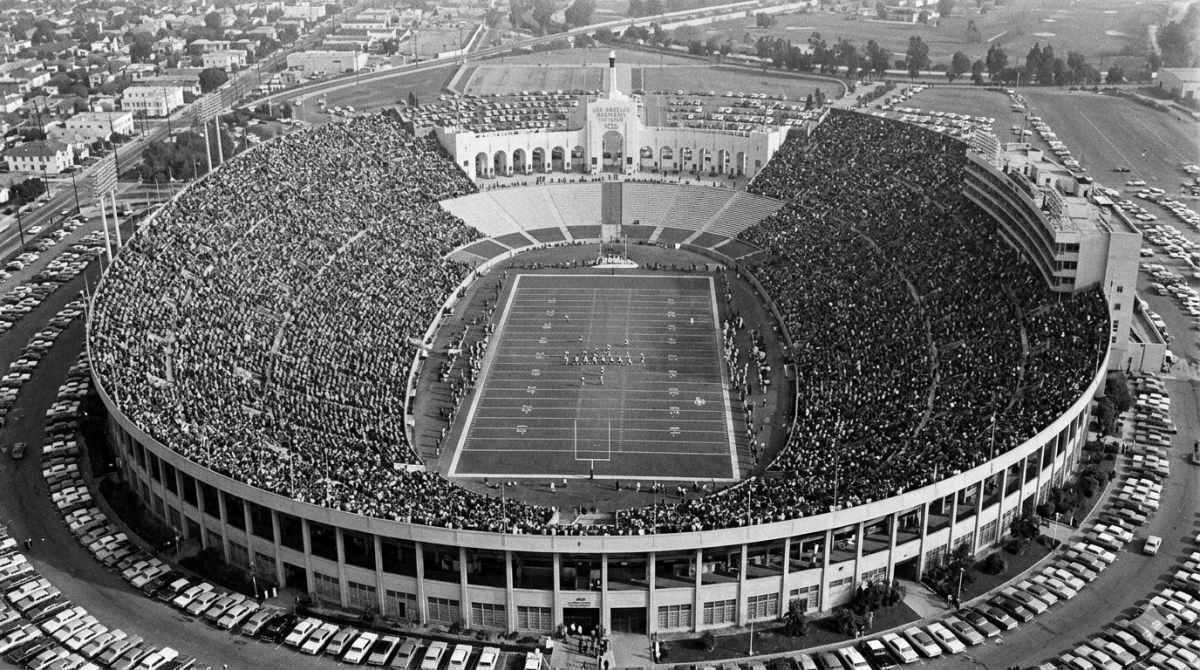
The NIL policy was enacted in 2021 by the NCAA, but after a long battle of trying to allow it. Before NIL, college programs could not even buy a recruit lunch. The rules were very strict. Many programs that broke these rules were given severe punishments, such as SMU in 1987. SMU had a “slush fund.” They were paying players to remain on the team. And even when SMU was put on probation, this still happened. This allowed SMU to get many high-profile recruits throughout the 1980s, including future NFL running back Eric Dickerson, who admitted to being given money. This resulted in the “death penalty” for the program. SMU’s season was canceled in 1987, along with a ban on home games in 1988. They were also banned from handing out scholarships to players during those two years, as well as from participating in bowl games. The reason this was called the death penalty is how far the program was set back, and struggled throughout the 90s and 2000s.
Between 2009 and 2021, talks of NIL and “pay for play” exploded, jump-started by a lawsuit by basketball player Ed O’Bannon, who sued the NCAA because his likeness was being used in sports games and was not being paid for it. The case was taken all the way to the Supreme Court and ruled in favor of O’Bannon in 2014. After this case, the NCAA started turning the tide towards NIL, and in 2021, they officially allowed NIL in all college sports.
Despite it sounding like a good idea, NIL has caused a lot of problems. For one, as stated before, it went from strict rules to zero regulations. Programs that have more NIL funds can afford more players, and most of the time, these are blue blood programs, like Ohio State and Alabama. Or teams that are highly funded. Nike’s founder and former CEO, Phil Knight, is giving Oregon’s football program a ton of money for them to succeed. Similarly, multi-billionaire Mark Cuban is a major funder of Indiana’s program. This allows programs to spend more money on higher-rated recruits, and can “bribe” them into coming to their school. This happens even when recruits are committed to a program. There have been many cases of this happening, and it is not against the rules. Linebacker Luke Ferrelli transferred from Cal to Ole Miss after they offered him $1 million in NIL money. It’s a lot of money, and you can’t blame Ferrelli for doing it, but it’s the system that is flawed. On the topic of money, the highly ranked recruits or stars already on a team are being paid multi-million dollars. Former Nebraska QB Dylan Raiola was paid over 3 million dollars during his time at Nebraska. He was offered even more money by other schools, even after his freshman year, just to enter the transfer portal.
NIL has essentially eliminated loyalty in college football. Players don’t buy into the system anymore; they come into the program solely for money. Though it is not completely gone, if a player is offered more money by another college, they will almost certainly transfer or decommit if they are an incoming freshman. This makes it hard for coaches to sustain good teams because they have to rerecruit everybody to keep them in their program.
The Transfer Portal was officially established in 2018 and has also caused multiple problems in the NIL era. Back then, when you transferred and there was no portal yet, you had to sit out a year. (There were exceptions to the rule, such as coaching changes or the 4-2-4 rule). After 2021, players can transfer at will. In the 2025-2026 cycle, nearly 4000 Division 1 recruits had entered the portal, with nearly 11,000 across all levels of college football. Though some find homes, others end up either never playing again or settling for worse situations than they were in. There are nearly 4,000 openings in Division 1 football, so many find themselves stuck.
Number of Transfers in FBS since 2018 (data taken from educated estimations by ESPN and NCAA)
Although it shows the portal entries went down this past year, this is because the portal windows were reduced this past year, so they can no longer transfer at will.
Another big problem with the transfer portal is the developmental side of football. Even after the 1972 ruling allowing freshmen to be eligible, it was rare to find a true freshman starter until the 2010s. Even then, it was a smaller fraction of players. Nowadays, if 4- or 5-star freshmen are not playing or in the rotation, they will very likely transfer. From now on, it will be hard to develop players who jump from team to team every other year, which could affect the NFL game in the future. Quarterback Lindsay Scott Jr has transferred multiple times, including LSU, East Mississippi CC, Missouri, Nicholls St, and Incarnate Word. He originally transferred from LSU because of playing time, which shows how quickly players will leave if any hardship comes their way.
NIL has affected college football and changed it, and college sports in general. The rules went from not allowing programs to spend a dime to no limits whatsoever. This jump has caused many of the problems we see today. The absence of rules has allowed all of this to happen. Even if new rules are placed, it will be tough to turn around the damage that this era of NIL has done.