
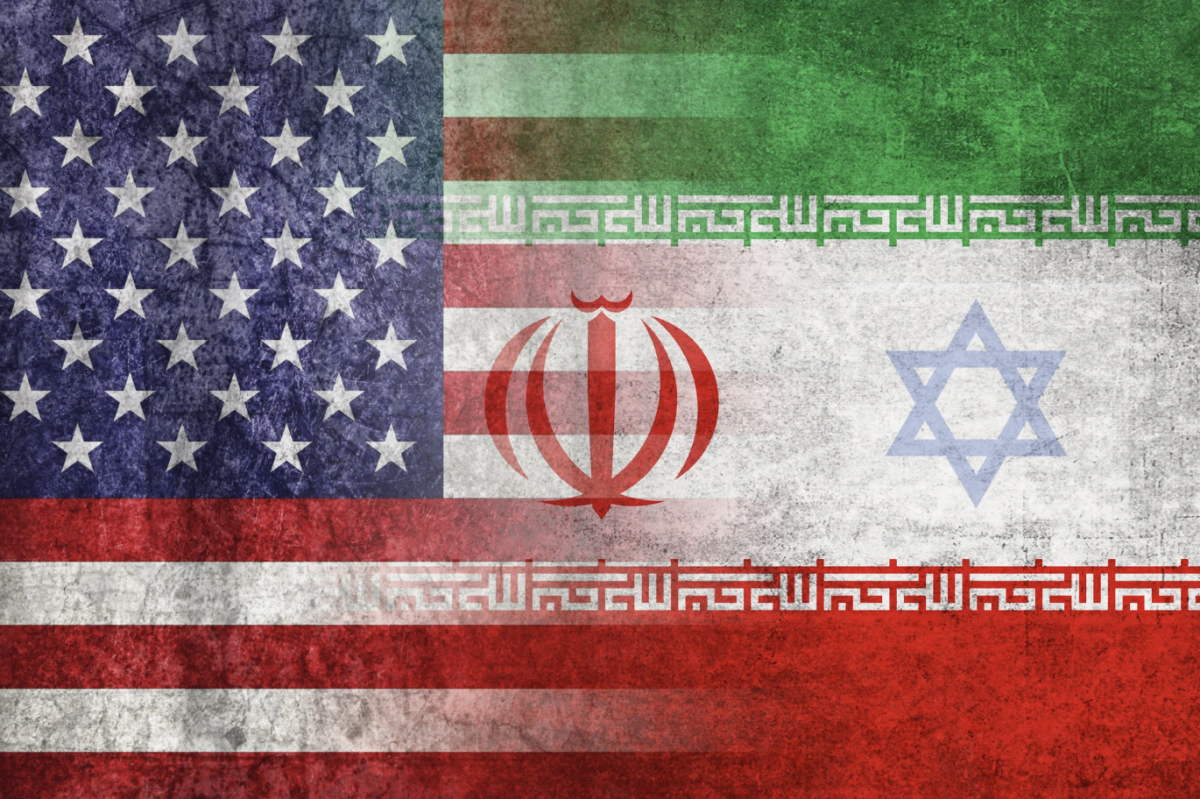
Tensions between Israel and Iran have escalated into a growing regional conflict, affecting civilians and drawing concern from neighboring countries and global powers. On February 28, 2026, the United States and Israel launched coordinated military strikes on Iran in effort to weaken Iran’s military capabilities.

This joint operation during the initial strikes also resulted in the killing of Ayatollah Ali Khamenei, Iran’s supreme leader. The action of this has intensified the conflict and fueled further retaliation.
However, the impact of the conflict goes beyond military forces and political leaders. Civilians living in both Iran and Israel face uncertainty and fear as tensions rise. People have taken shelter during warnings of potential missile or drone attacks. Families worry about their safety while governments prepare for possible continued conflict.
Among civilians in Iran, there are mixed views regarding Khamenei’s death. Many of those who supported Khamenei’s regime and leadership are left devastated and believe the United States should face retaliation for the strike. Others against Khamenei and the government see this moment as a possible turning point for politics and creating a new future for Iran.


Mojtaba Khamenei has been named the new leader of Iran. He is the second son of former supreme leader, Ayatollah Ali Khamenei. Mojtaba is more connected to the Islamic republics and political establishment than his father was. Overall, he is more hardline than his father was. With that, U.S. President Donald Trump expressed his “disappointment” in the new supreme leader’s selection, telling Fox News: “I don’t believe he can live in peace.”

As the fighting continues, civilians are experiencing the impact. Military strikes and retaliation have caused civilian casualties and increased fears of a wider regional war. The effects are not only being felt in the Middle East but around the world, influencing global economy and prices. The infographic below highlights key impacts of the conflict, including civilian casualties, rising gas prices, and the countries most affected by the growing tensions.
Statistical information as of March 10th.

SOURCES: