The Minnesota State Patrol is a highly qualified group of individuals who have a higher purpose than themselves. These people work together to keep the Minnesota roadways safe. They expect excellence within the patrol; everybody is held to the highest standard. The main purpose of the Minnesota State Patrol is to keep the overall motoring public safe. But it is the secondary operations behind the scenes that nobody sees.
People overlook the importance of the state patrol because they think that it is the same as the police. There are a few key ways that they are different; one main way is that they have long been referred to as the highway patrol. This means that they are in charge of keeping more main roads safe rather than doing small and tedious work within cities and off roads. The work that they do to keep the roads safe plays a big part in Minnesota’s road safety throughout the entire state.

Some other behind-the-scenes work that goes on in the state patrol includes a highly trained team called the Mobile Response Team (MRT). This is a team of troopers who are called in for any public disturbance or for any time backup is needed. Recently, they were called in to Minneapolis to ensure that protests and things going on stayed under control and that things didn’t get out of hand. Other things that happen behind the scenes include educating the public about safety at big events, as well as using resources they have to protect the public in times of danger.
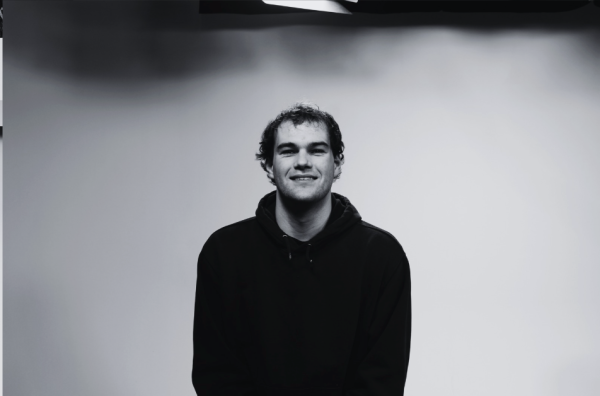
Station Sergeant Milo Allen is a trooper who is stationed in the St. Cloud area and has been in the patrol for about four and a half years. During his time in the state patrol, he has only worked in the St. Cloud district.
The State Patrol is very vocal about its values and the way it views its responsibilities. The four main goals that the state patrol focuses on include distracted driving, seatbelts, speed, and impaired driving. There are certain times of the year when they focus on each of these a little more. They are an evolving agency and are constantly getting better and providing more information on many things. As they gather more information, they can focus their efforts on specific areas based on what the information reveals as most important at the time. Many people don’t know that June, July, and August are the deadliest times of the year. During this time, the Patrol focuses its efforts on saving the lives of everyone it can. They offer specialized shifts during this time called TZD or Towards Zero Death shifts. These are shifts that are focused solely on the premise of the four main goals that they have. Cracking down on these things has shown to lead to fewer deaths throughout the entire year and helps them to be precautionary and stop bad habits before they lead to other, more serious consequences.
There are two ways to become a Minnesota State Patrol officer. The first is called the traditional way. These are people who have gotten their degree in something related to law enforcement and are currently working in another agency. These people simply go into the 14-week training academy that is held at Camp Ripley to become a trooper. Second, they have a program called the LETO program. This is a great way for them to get people from all different walks of life to become troopers. The Law Enforcement Training Opportunity is a great way for people with a two or four-year degree to get trained at an accredited college to become post-certified. Once they are certified, they can enter the academy and be trained to become a trooper. With each of these programs, there is a 12-week field training period with a trooper on the road that comes after the academy.

As Sergeant Milo Allen stated, “The State Patrol is a large agency that is always evolving in size and its tactics because of the ever-evolving information they receive. We are always evolving based on what the community needs and expects from the State Patrol.”
Another small way they have been able to evolve is the way in which they view pursuits and go about handling them. “When we get a license plate from a vehicle that chooses to flee us, more than 80% of the time, we can make an arrest knowing that license plate,” says Allen.
He also mentions other things, like crash investigations that have evolved, and that they have been able to improve the way that they go about them with the information that they have. There has been developed technology in which they have more accurate ways to figure out the speed and acceleration of a vehicle after a crash has ensued. These things do a great job in helping investigations become even more accurate and in getting to the bottom of things faster or more efficiently.
Sergeant Allen explains that the State Patrol has not been directly involved in the current events in Minnesota with other forms of law enforcement. While they are not directly involved, they do have a team that was previously mentioned, called the MRT or Mobile Response Team. That team has been called to just make sure that peaceful protests stay peaceful and to ensure the safety of everyone involved, because that is the main goal of the agency.
He says that the response towards him as law enforcement has been nothing but positive. Whether he is working in his normal station or in Minneapolis, most people always respect the fact that he is doing his job and is just there to keep everybody safe. The fact that it has been portrayed as so negative is something that he has not seen or has very rarely seen. He says that over 95% of his interactions with the public are positive ones that have ended in good ways. Most people on the road recognize the fact that he is doing his job and can thank him for doing it. They also realize that they have made a mistake and are willing to fix it and take accountability.
Occasionally, he says, “I will even have to arrest someone who will thank me for the work that I do and the way in which I do my job to keep everyone safe.”
Allen gets a lot of people asking him how he does the job when people dislike him and the work he does, and he always tells them that it’s not true. He sees people being very positive and thankful towards him. He explains that he couldn’t be more thankful and positive towards the public for being genuine and responsible.